
The biggest bid can lose: how SociallyBid picks winners
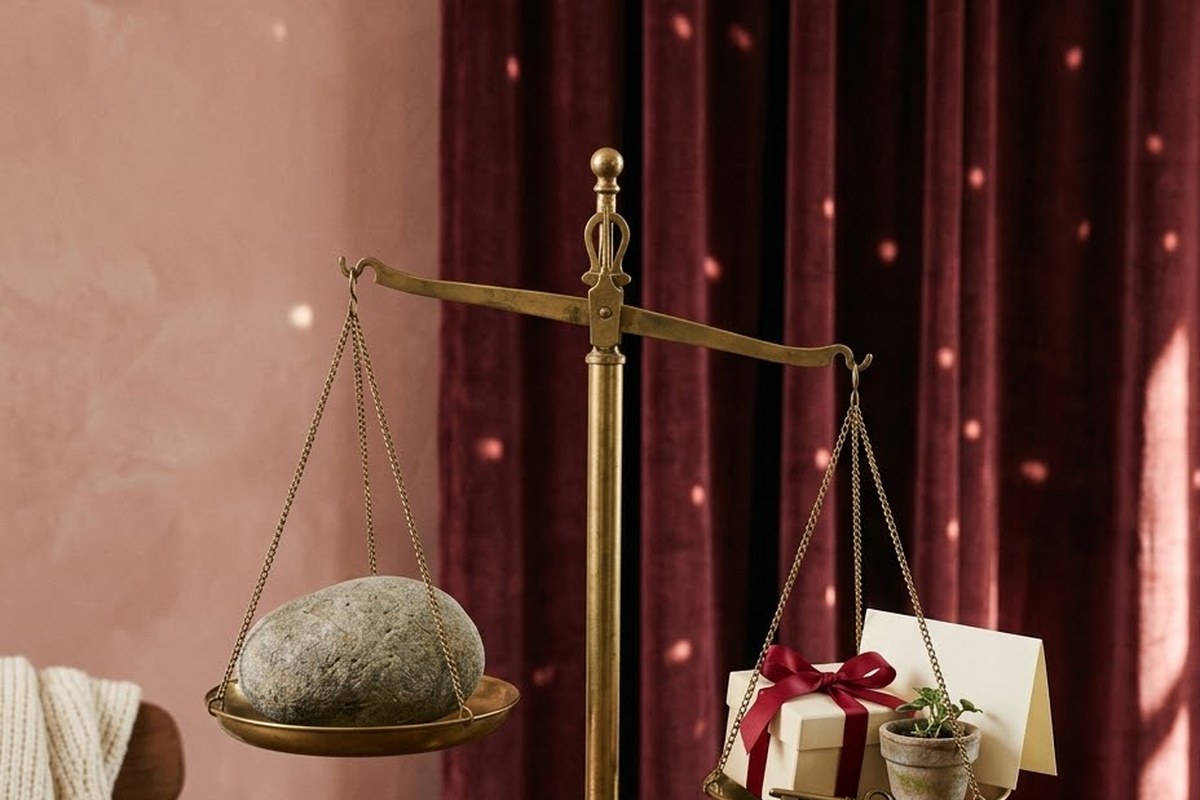
In an ordinary auction, the highest bid wins and nobody asks questions. That is exactly what we do not want for creator deals, where the biggest number is often attached to the worst terms.
So SociallyBid is designed around a different rule: the best overall deal wins, and the person who decides is the creator. Which means the biggest bid can lose.
What a bid actually is
On SociallyBid, a bid is an offer, and an offer is a bundle. The design lays it out as a short list of terms:
- Cash: money you can count on, and when it arrives.
- Product: what it is, and what its retail value is.
- Ambassadorship: a longer relationship instead of a one-off post.
- Exclusivity: what you agree not to do for others, and for how long.
- Cross-promotion: the business promoting you back.
- Reporting: whether you get to see what the work drove.
Because each term has its own field instead of being buried in an email, two offers that look nothing alike can sit next to each other and be read in seconds.
Why cash alone misleads
Take two offers for the same piece of work. This is an example, not a real deal.
- Offer A: $500 in cash. The business keeps the right to use your video however it likes, forever, and you agree not to work with a competitor for a year.
- Offer B: $200 in cash, $180 of product you would actually use, a six-month ambassadorship, and access to the results.
Offer A has the bigger number. Offer B costs the business less cash and gives you more: a smaller commitment, a real relationship, product you want, and proof of what your work did. For the right creator, B is the better deal. In a normal auction, A wins automatically. In ours, you choose.
Up to three winners
The design lets a creator pick up to three winners instead of exactly one. There are three reasons.
- You may want more than one partner. Non-competing businesses can all be a good fit, and a single yes forces you to turn good offers away.
- Comparison gets fairer. When you are not forced to crown one winner, you can say yes to the offers that clearly work and no to the ones that do not.
- A person decides. Software can suggest good matches. It does not choose for you.
A scorecard you can use today
You do not need SociallyBid to compare offers this way. Put any offer through six questions:
- Cash: how much, and when would I actually be paid?
- Product: would I buy this with my own money? If not, count it as worth less than retail.
- Time: how many hours, revisions and shipping headaches is this really?
- What I give up: exclusivity, usage rights, approval rounds.
- What it builds: repeat work, a relationship, proof I can reuse.
- Gut check: do I want to be known for working with this business?
Rate each line good, fine or poor, and read the whole row. The best offer is rarely the one with the biggest number in the first column.
How a business wins without the biggest check
If you run a small business, the rule works in your favor.
- Lead with the product experience and a clear, specific ask.
- Offer a real relationship, such as first look at new items or a regular slot, instead of a one-time favor.
- Be honest about exclusivity and usage. Short and narrow terms are an advantage, not a weakness.
- Say what you will measure and promise to share it.
A small business with a great product and a genuine partnership offer can beat a big brand throwing cash. We wrote more about that in Win creators on total value, not just cash and Mixed-value deals, explained.
The honest bit
This is the design, not a running system. The marketplace is not open yet, and we will say plainly when each piece goes live. The scorecard above works on any offer, from anyone, today. The rest is what we are building toward.
Keep reading
- What “exposure” is actually worth: a non-cash offer checklist
- How to price your creator work without a follower formula
SociallyBid is still being built. The marketplace is not open yet, and anything here about how it will work is the design we are building toward, not a feature you can use today. The waitlist is open and free: reserve your spot, or see what founding creators are for.